125 years of indian motorcycle
First then. First now. Never finished.
Since 1901, Indian Motorcycle has been chasing the only standard we know: our own.
Over 125 years, we've won races, set records and earned countless trophies, but we're still hungry. Because we're always pushing to build better and ride farther. We're proud of where we've been, but we're more excited about the road ahead.


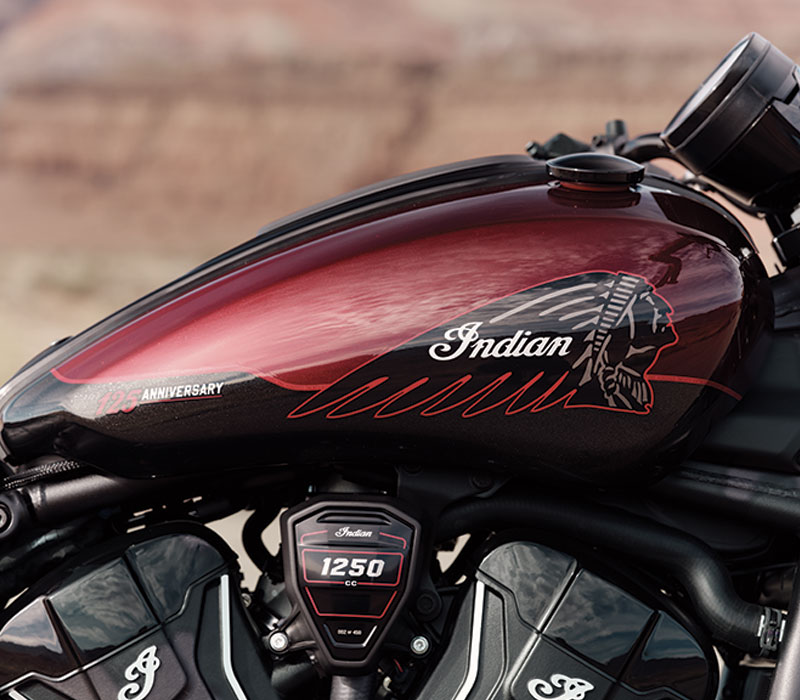
THE 125TH ANNIVERSARY COLLECTION
125 Years. Still Raising the Bar. Never Finished.
Never finished
making history
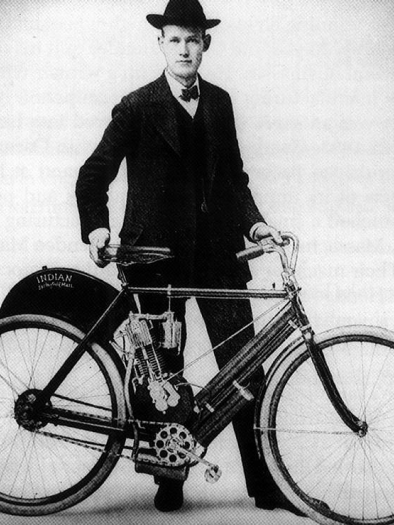
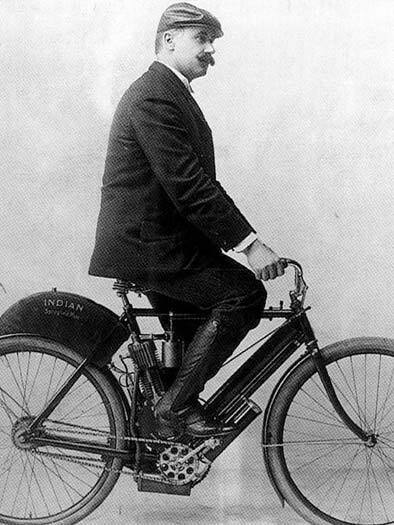
In 1901, founders George M. Hendee and Oscar Hedstrom fired up the first factory in downtown Springfield, Massachusetts, USA. But Hedstrom wasn't just building bikes: he was pushing their limits too. In 1903, he hit 56 miles per hour on a run from New York City to Springfield and back, a record at the time. By 1923, The Hendee Manufacturing Company became The Indian Motorcycle Company. Same grit. New name.
Never finished
Breaking records
Indian Motorcycle has always been first to the line.
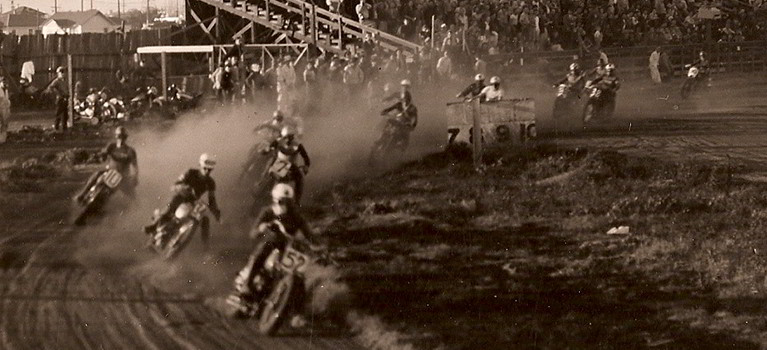
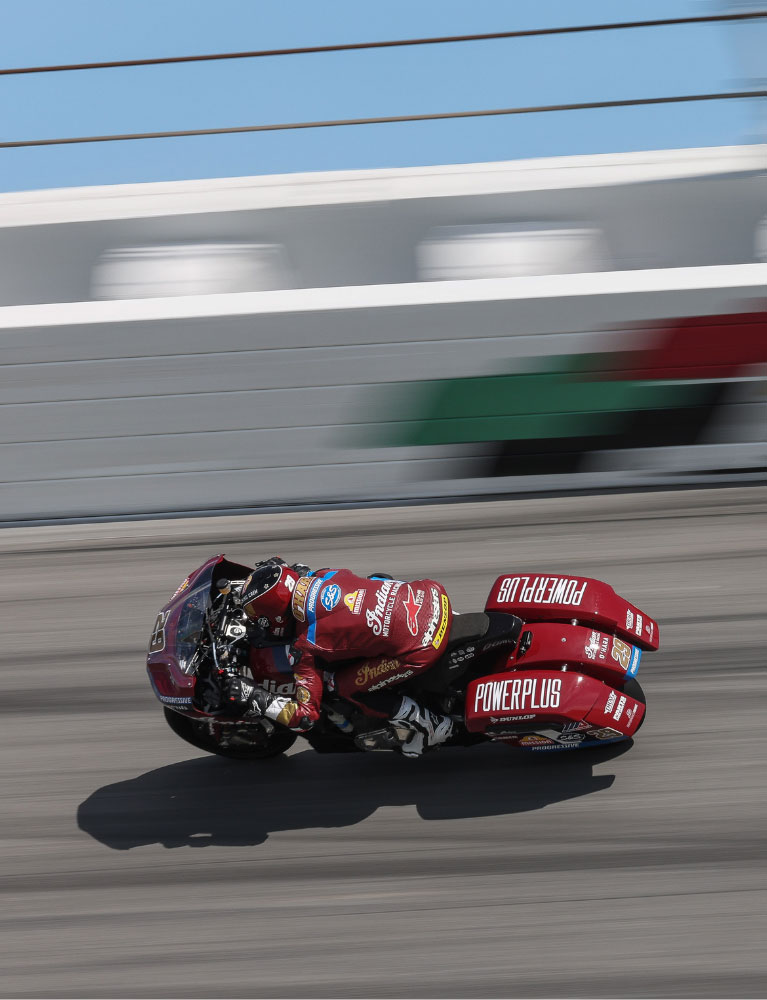
In 1909, we won the first motorcycle race ever held at Indianapolis Motor Speedway. In 1937, Ed Kretz took the first Daytona 200 on an Indian Sport Scout. The original Wrecking Crew owned the post-war racing scene. We continued that tradition with Flat Tracking Racing in the 2010s. Today's riders are doing the same at the Bagger Racing League Europe and the MotoAmerica King of The Baggers series. Different eras. Same result.
Never finished
innovating
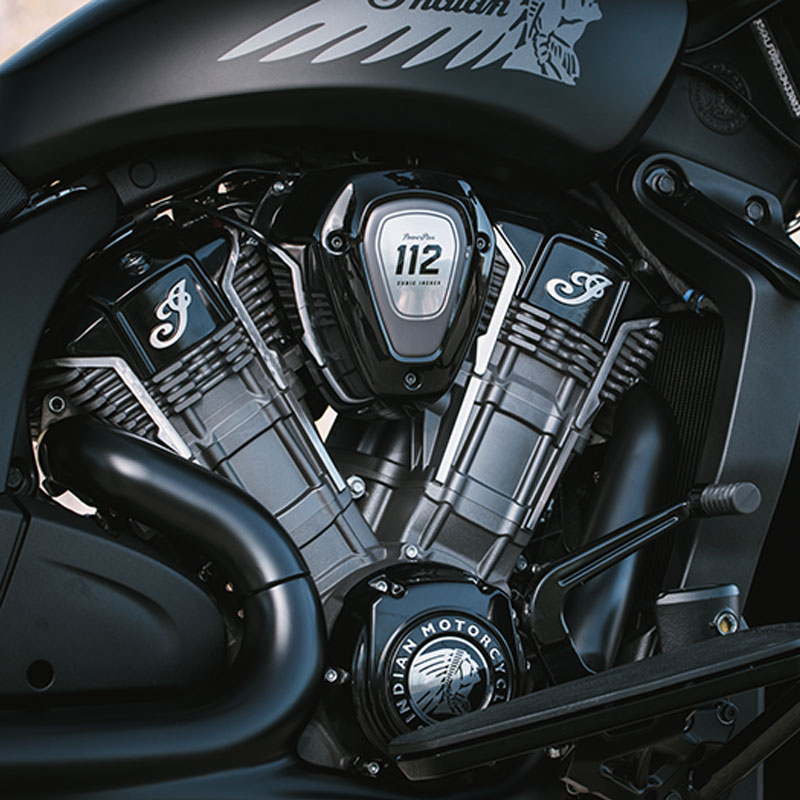
We built out first V-twin factory racer in 1906 and we were the first American manufacturer to put a version in production by 1907. In 1913, we rolled out the first production motorcycle with full front and rear suspension. A year later, we added an electric starter and integrated electric lighting when most bikes still needed a kick. Fast forward to 2019: the liquid-cooled PowerPlus engine in the Indian Challenger raised the bar for American V-twin baggers all over again. Since the beginning we've been pushing the limits.
Never finished
serving
The U.S. Army started riding Indian Motorcycles in 1913. When World War I broke out, we shifted most production to the war effort, building close to 50,000 motorcycles between 1917 and 1919. Two decades later, we did it again for World War II. From 1940 to 1945, nearly everything we built went to the Allied cause. Over 35,000 bikes and $24 million in parts went to troops overseas.